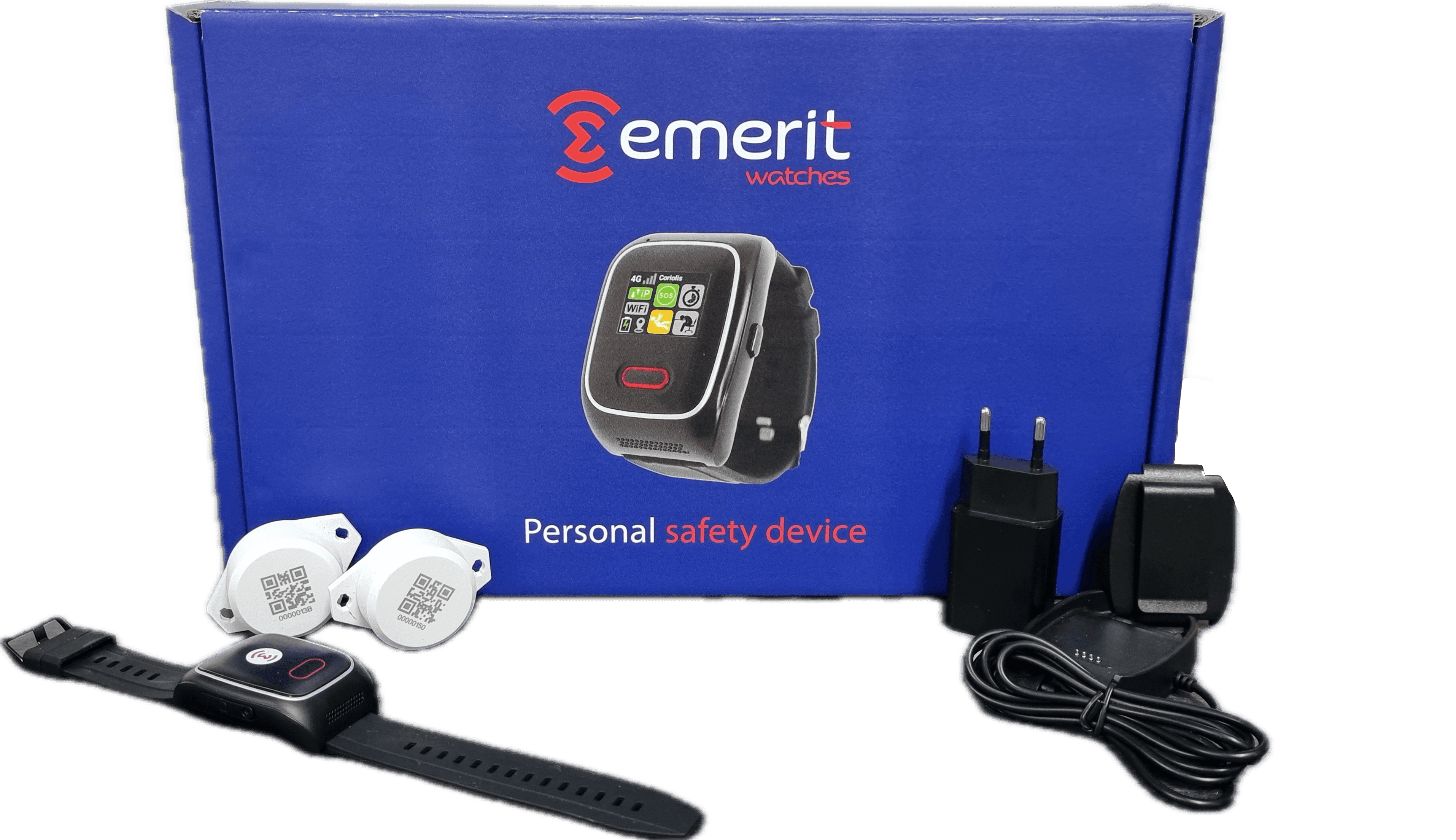

The evolution of lone worker solutions
When people think about lone worker alarm devices, they often picture a technician working alone in a remote location, a maintenance worker on a construction site, or a security guard on a night shift.
While these remain important use cases, the reality of workplace safety has evolved considerably.
Today, personal safety devices and lone worker solutions are protecting a much wider range of employees facing various risks, including aggression, remote work emergencies, temporary isolation, and medical incidents.
For distributors, integrators, and resellers, this evolution represents a significant opportunity to expand into new markets and address emerging customer needs.
The question is no longer: “Do my employees work alone?”
The real question has become: “Could my employees find themselves without immediate assistance when an incident occurs?”
Understanding isolation beyond physical distance
Traditional definitions of lone working focus on employees who perform their duties without direct supervision or nearby colleagues.
However, isolation can take many forms:
- Working in a separate area within an occupied building
- Travelling between customer locations
- Meeting clients alone
- Working from home
- Opening or closing a business alone
- Performing maintenance in restricted-access areas
- Working during off-hours when few colleagues are present
In all these situations, assistance may not be immediately available when needed.
This broader understanding is driving increased adoption of personal safety technologies across industries that were not previously considered part of the lone worker market.
Protection against aggression and workplace violence
One of the fastest-growing applications for personal alarm devices is protection against aggression.
Many professionals regularly interact with members of the public, customers, patients, tenants, or visitors. While they may not technically be lone workers, they can still face situations where immediate assistance is required.
Typical sectors include:
Healthcare
- Home care providers
- Nurses
- Social workers
- Mental health professionals
Housing and Property Management
- Property managers
- Housing officers
- Building inspectors
Retail and Customer Service
- Store managers
- Cash office personnel
- Customer-facing employees
Public Services
- Municipal workers
- Social service agents
- Enforcement officers
In these environments, discreet SOS activation can provide immediate access to assistance while reducing escalation risks.
For solution providers, this opens conversations around employee safety, workplace violence prevention, and duty of care compliance.
The rise of remote and hybrid work
Remote work has transformed how organizations think about employee safety.
Although home-based employees may not face traditional occupational hazards, they can still experience:
- Medical emergencies
- Falls
- Sudden illness
- Personal security incidents
- Situations where they cannot easily reach help
Employers increasingly recognize that their responsibility for employee wellbeing extends beyond the office.
As a result, organizations are exploring connected safety solutions that can support remote workers while integrating with existing communication systems.
This trend is creating new demand from sectors such as:
- Technology companies
- Professional services firms
- Consulting organizations
- Financial institutions
- Customer support centers
For distributors, remote worker protection represents an emerging market with substantial long-term potential.
Employees who occasionally work alone
Many businesses assume lone worker protection does not apply to them because most employees work in teams.
However, many workers experience temporary periods of isolation during their day.
Examples include:
- Warehouse staff working in isolated zones
- Facility managers performing inspections
- Engineers visiting customer sites
- Hospitality staff opening or closing premises
- Cleaning personnel working after hours
- Delivery personnel between locations
These workers may spend only a small portion of their day alone, but the associated risks remain significant.
This creates opportunities for distributors to position personal safety solutions as part of a broader risk management strategy rather than a niche lone worker product.
Helping customers identify hidden risks
One of the most effective approaches for distributors and integrators is to help customers rethink their definition of lone working.
Instead of asking:
“Do you have lone workers?”
Consider asking:
- Do employees ever meet customers alone?
- Do staff work outside normal business hours?
- Are employees travelling between locations?
- Do workers operate in isolated areas?
- Do you have remote or hybrid workers?
- Could an employee be unable to call for help following an accident or medical event?
These questions often reveal safety gaps that traditional assessments may overlook.
A growing opportunity for safety solutions distributors
The lone worker protection market is no longer limited to remote construction sites, utility workers, or night-shift personnel.
Organizations are increasingly looking for ways to protect employees from a broader range of risks, including aggression, medical emergencies, remote work incidents, and temporary isolation.
For distributors, resellers, and integrators, this shift represents an opportunity to expand beyond traditional applications and position personal safety technology as a comprehensive employee protection solution.
Those who embrace this broader vision of workplace safety will be well placed to address emerging customer needs and unlock new growth opportunities in the years ahead.