Every summer, businesses operate at a different pace. Employees take time off, offices gradually empty, and teams often work with reduced staffing levels. While this period may seem quieter, it significantly changes workplace conditions.
With increased remote work, staggered schedules, and fewer employees on-site, many workers temporarily find themselves in lone working situations. This seasonal shift requires companies to pay closer attention to employee safety and workplace risk prevention.
Summer brings more workplace isolation
During the summer months, it is common to see:
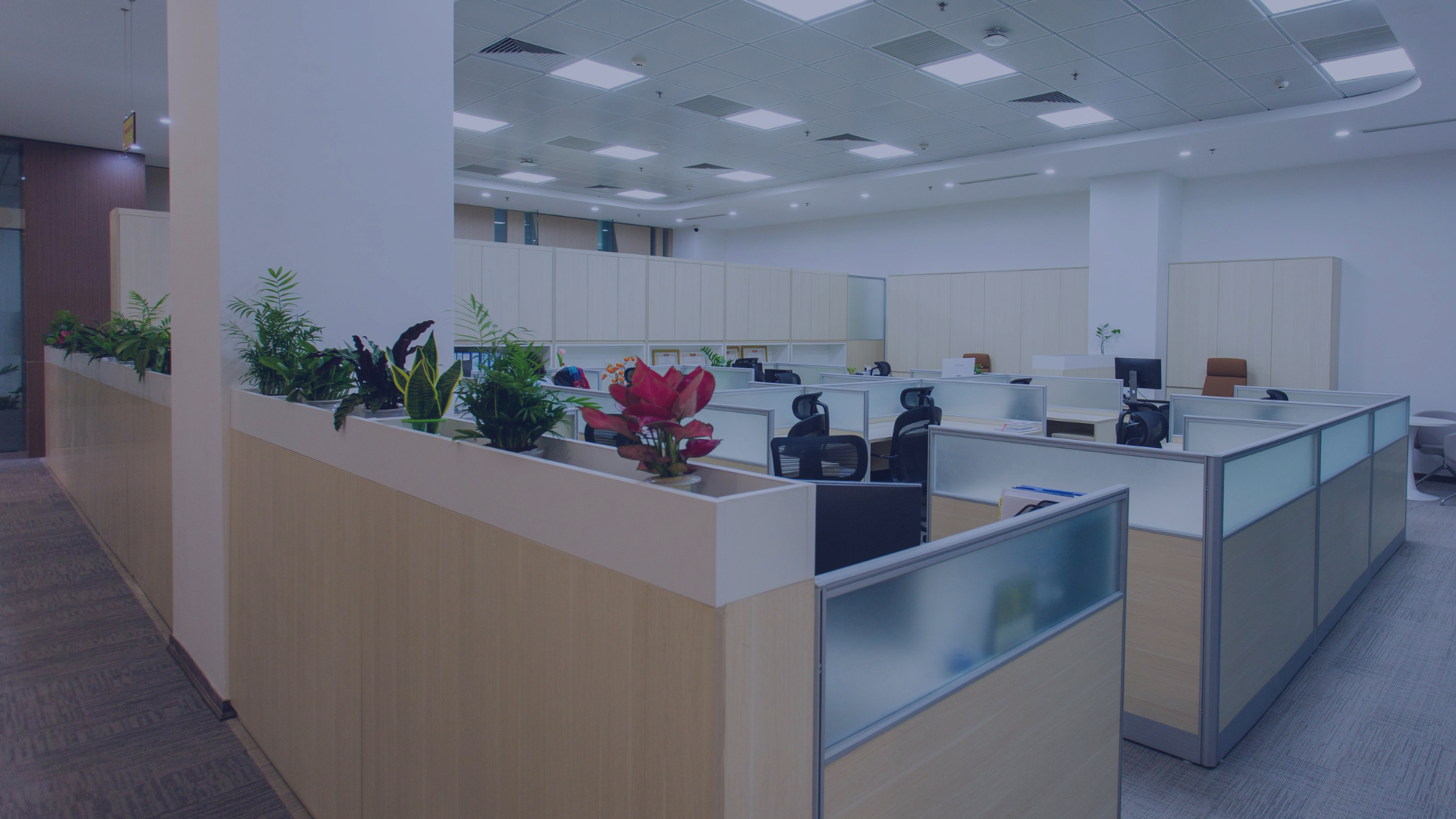
- nearly empty open-plan offices,
- employees working alone on a floor or in a building,
- earlier or later work shifts,
- increased remote and hybrid work.
Although this organization may appear harmless, it increases the number of situations where employees work without immediate assistance nearby.
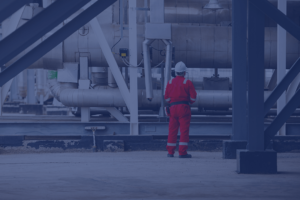
A lone worker may face several risks, including medical emergencies, falls, workplace accidents without witnesses able to raise the alarm and a delayed emergency response.
Heatwaves and high summer temperatures can also increase fatigue, dizziness, and reduced concentration, which are well-known contributing factors to workplace accidents.
Why lone worker safety devices are essential during summer
To address these risks, man down devices become especially important during summer.
These solutions help employees quickly send alerts in case of an emergency and can be adapted to different work environments and employee preferences.
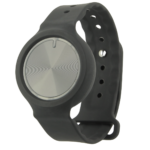
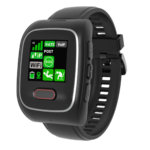
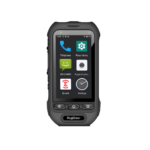
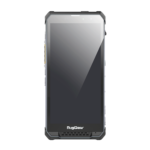
SOS Buttons
Simple and effective, SOS alert buttons allow workers to manually trigger an emergency alert if they experience danger, discomfort, or an accident.
These lightweight and discreet solutions are especially suitable for:
- remote workers,
- office employees,
- hybrid workers,
- staff temporarily working alone during quieter periods.
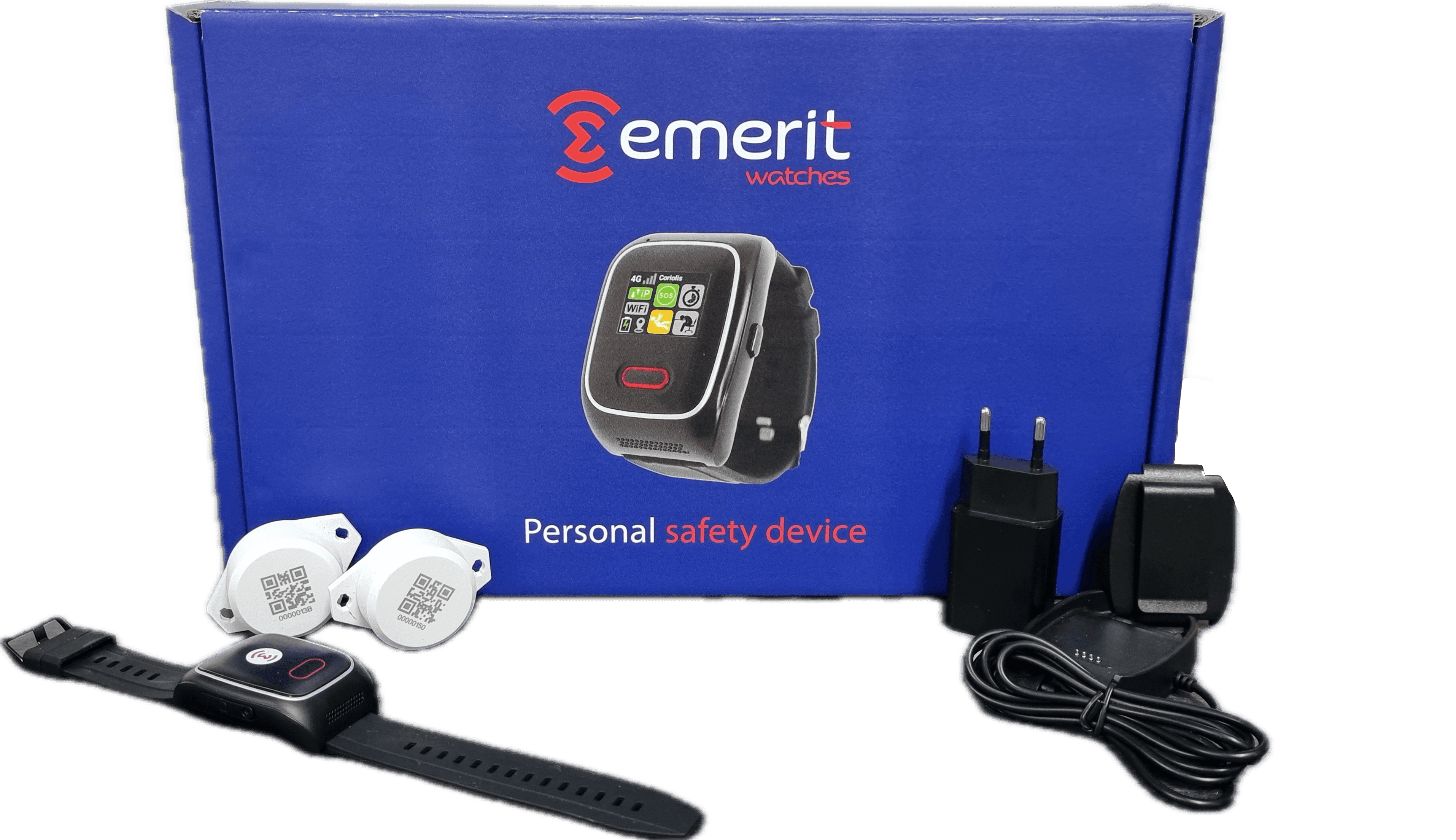
Lone Worker Safety Watches
Compact and easy to wear, lone worker safety watches integrate all the core man down features into a discreet wrist-worn device.
These devices are particularly useful for employees who do not carry a professional smartphone, such as:
- cleaning staff,
- hotel employees,
- maintenance workers,
- security personnel.
Workers operating alone across multiple floors or isolated areas can quickly trigger an alert when needed.
Lone worker phones
Whether using rugged mobile phones or dedicated lone worker smartphones, these solutions protect isolated workers while also providing access to:
- voice communication,
- messaging systems,
- professional business applications.
They are widely used in industries where communication and safety must remain connected at all times.
How companies can prevent lone worker risks during summer
Preventing lone worker risks is not only about technology. It also relies on effective workplace organization and communication.
During the summer period, companies should:
- identify positions exposed to lone working situations,
- maintain regular check-ins with employees,
- remind staff about emergency procedures,
- train teams on man down device usage,
- preserve communication and human connection despite staff absences.
Even when offices are quieter, employee safety must remain a top priority.
Did you know?
An employee can be considered a lone worker even in a standard office environment if they are out of sight or hearing distance from colleagues able to provide immediate assistance in an emergency.
Remote work and hybrid work arrangements can also create lone working situations depending on how the organization is structured.
The summer lone worker safety checklist
Before the summer vacations begin, companies should ask themselves:
- Which employees may work alone?
- Which shifts or schedules increase isolation risks
- Does every employee know the emergency procedures?
- Are PTI devices fully operational?
- Are managers maintaining regular contact with teams?
- Are remote workers properly supported and monitored?
In summary
Summer significantly changes workplace routines. Between reduced staffing, remote work, and staggered schedules, the risks associated with lone working naturally increase.
By anticipating these situations, maintaining strong communication, and implementing suitable man down solutions, companies can better protect employees throughout the summer season.