
In some professional environments, risks are not always visible… but they can lead to major accidents. This is particularly true for ATEX zones, where a single spark can trigger a dramatic explosion.
For companies operating in these environments, prevention relies both on risk management and on the use of appropriate equipment, especially when it comes to protecting lone workers.
What is an ATEX Zone?
An ATEX zone (EXplosive ATmosphere) refers to an area where an explosion can occur. This happens when a mixture of flammable substances (gas, vapors or dust) comes into contact with air.
In such conditions, even a small spark can be enough to trigger an explosion.
These zones are commonly found in various industries, including :
- chemical and petrochemical industries
- fuel storage sites
- food processing industry
- energy production
- waste management
What regulations govern ATEX Zones?
Across Europe, ATEX zones are governed by two complementary directives:
- Directive 1999/92/EC, related to worker safety
- Directive 2014/34/EU, covering equipment used in ATEX environments
These regulations impose several obligations on employers:
- identify hazardous areas
- assess explosion risks
- implement preventive measures
- use ATEX-certified equipment
- train exposed employees
In addition, a specific document must be prepared: the Explosion Protection Document (EPD).
How are ATEX Zones classified?
ATEX zones are defined based on the frequency and duration of the presence of an explosive atmosphere.

This classification helps determine the level of safety required for equipment used in each zone.
How to read an ATEX label?
Equipment designed for ATEX environments includes specific markings that indicate whether it is suitable for a given zone and level of risk.
Understanding this labeling is essential to ensure compliance and safety.

Which lone worker alarm device should be used in ATEX Zones?
When an isolated worker operates in an ATEX zone, choosing the right Lone Worker Alarm System is critical.
All equipment must be ATEX-certified, ensuring that it cannot become a source of ignition.
Several types of devices are suitable:
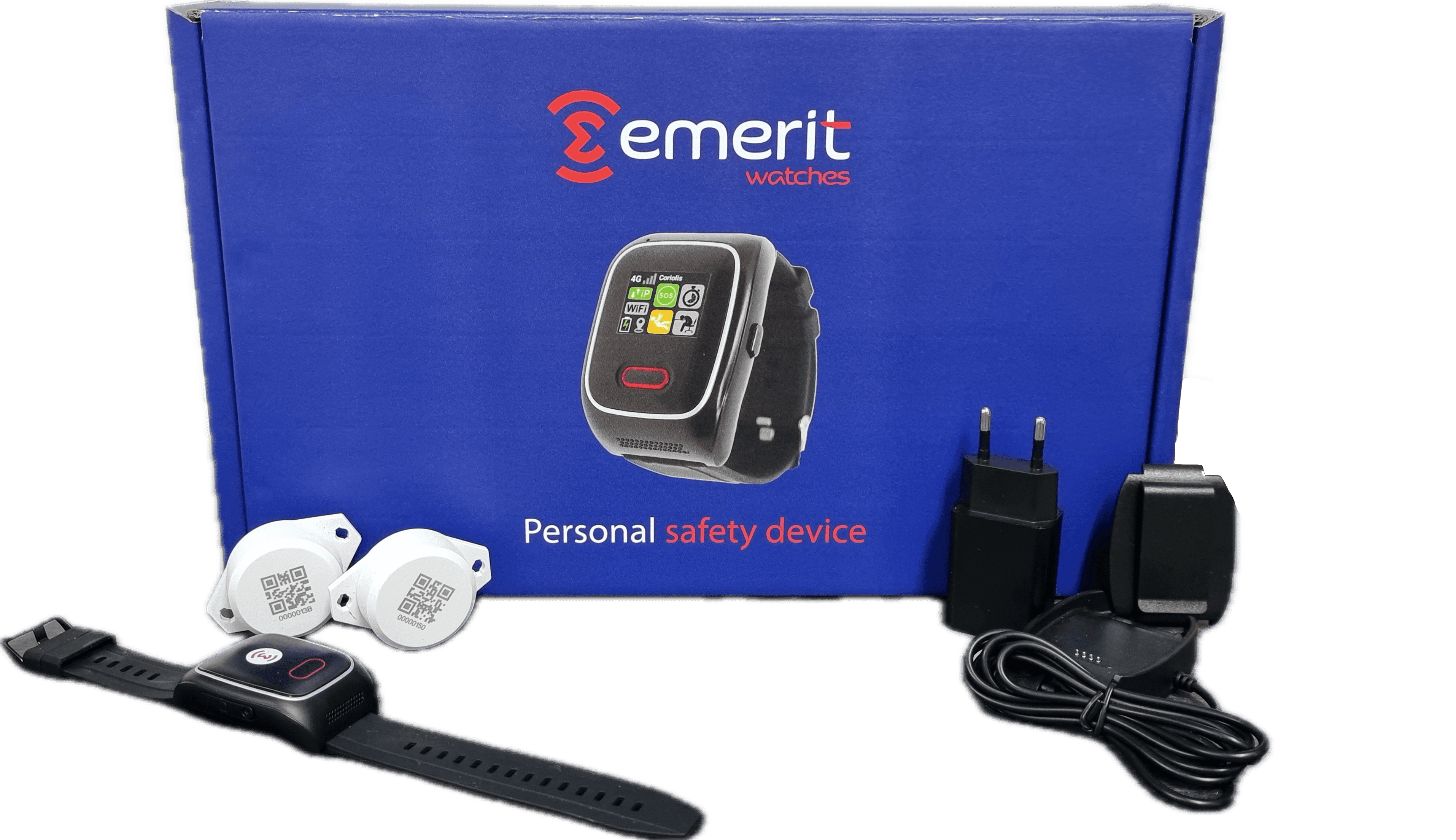
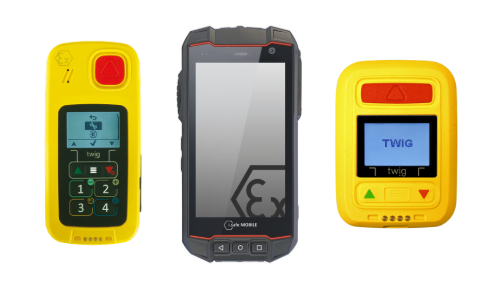
GSM Lone Worker Alert Devices
These compact devices are designed for high-risk environments and typically include:
- automatic fall detection and motion monitoring
- an easily accessible SOS button
- long battery life
They are particularly suitable for workers wearing PPE, where device handling may be more complex.
ATEX Rugged Smartphones
Some smartphones are specifically designed for use in ATEX zones and combine:
- alarm features (manual alarm, automatic tilt and lack of movement detection)
- communication capabilities
- professional applications
These devices provide an all-in-one, ATEX-certified solution.
Indoor Localization Beacons
For isolated workers who need to be located indoors after an alert, beacon-based positioning systems can be used.
However, these beacons must also be ATEX-certified to be deployed in such environments.
How to choose the right ATEX equipment
Selecting the right device depends on several key factors:
- the zone concerned (risk level)
- the type of atmosphere (gas or dust)
- working conditions (temperature, noise, humidity)
- usage requirements (mobility, communication, autonomy)
A thorough analysis of field needs is essential to ensure both compliance and operational efficiency.
In summary
ATEX zones are high-risk environments that require constant vigilance.
To ensure worker safety, especially for lone workers, it is essential to:
- understand regulations
- master zone classifications
- use certified equipment
- implement appropriate alert systems