Maintenance workers, field technicians, cleaning staff, security personnel, and shift workers… Many professionals carry out their duties alone or without immediate contact with colleagues.
These lone workers are exposed to specific risks: falls, illness, accidents, assaults, or technical issues, without the ability to immediately alert their management or emergency services.
In these situations, a rapid response is essential. That is why companies are implementing lone worker alarm systems, designed to trigger an alert and enable a rapid response in the event of an incident.
Protecting lone workers is part of an employer’s responsibilities. The Labor Code requires companies to take all necessary measures to ensure the safety and protect the health of employees.
In this case of lone work, this specifically means :
- implementing means to quickly alert others in the event of a problem
- ensuring the location of the employee in distress
- enabling a rapid emergency response
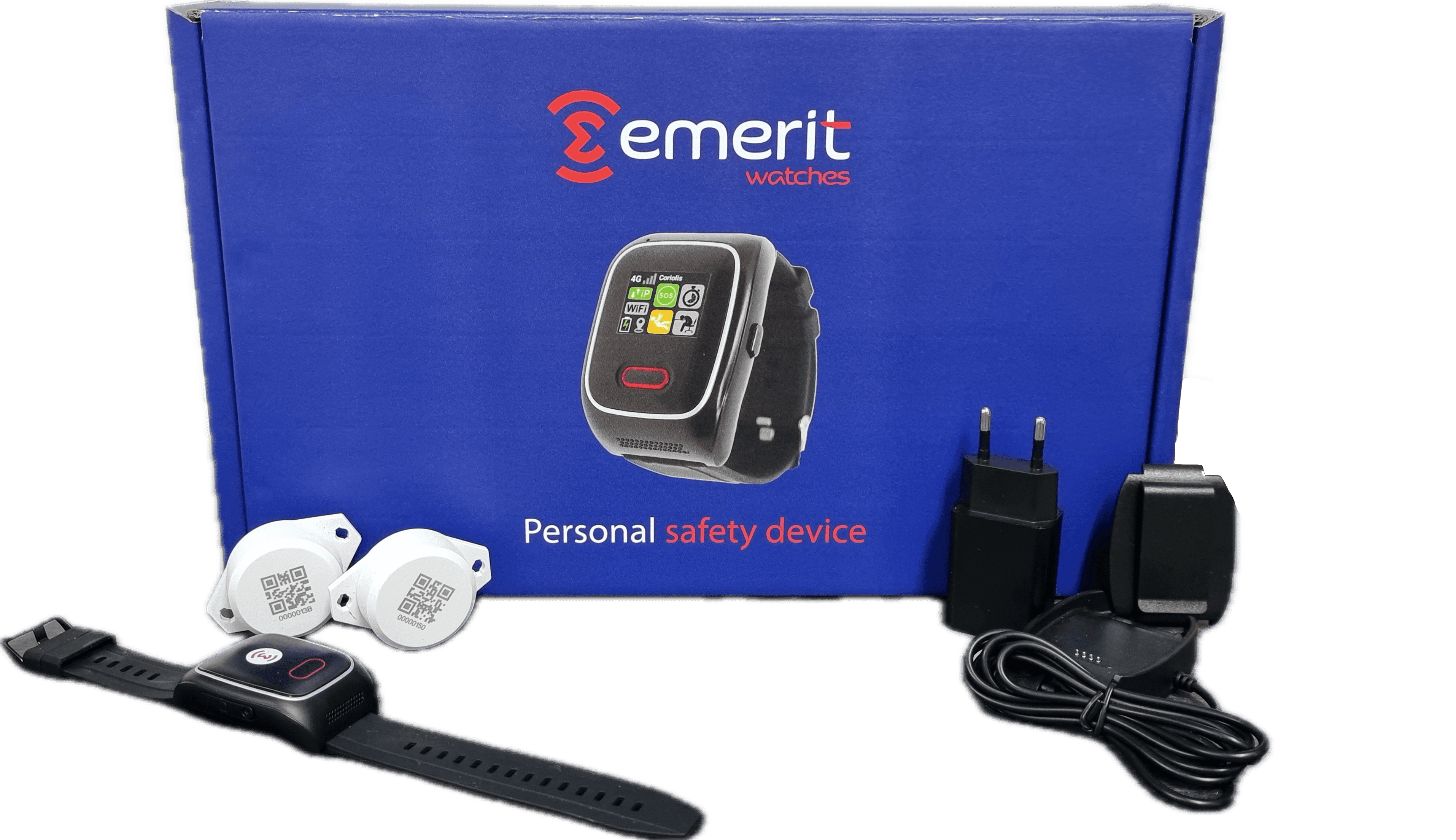
Today, many companies are choosing to equip their employees with lone worker alarm devices to meet these obligations and ensure the safety of their workers.
Why some employees don't wear their lone worker alarm devices ?
Despite their importance, some companies find that employees do not always wear their DATI devices.
Several reasons can explain this:
equipment considered too bulky
a device poorly suited to the job
discomfort during certain tasks
complicated device management (charging, storage, assignment)
In most cases, the issue does not lie with the concept of DATI itself, but rather with how it is integrated into users’ daily routines.
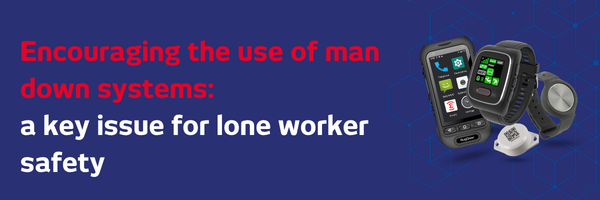
To improve the adoption of DATI devices among teams, three key areas are essential:
choosing a device suited to the needs of lone workers
selecting accessories that make daily use easier
simplifying equipment management and organization
identify the system best suited to the needs of lone workers
The first key step is identifying the type of device best suited to employees’ usage.
Among the main market offerings, some specialized ranges provide:
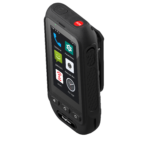
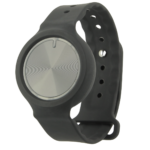
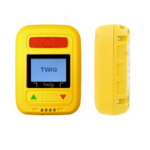
These ecosystems are designed to cover all lone working situations, such as field work, high-risk industrial environments (ATEX), hazardous areas (risk of assault, falls, etc.), mobile operations, or even remote work.
Choose the accessory that turns the device into an everyday essential
Choosing the right device is an essential step… but it is not always enough.
In many cases, employees do not wear their device simply because the wearing method is not suited to their activity.
A device that restricts movement or gets caught on equipment will quickly be set aside.
The goal is therefore to find the appropriate wearing method for each use without compromising the effectiveness of the alert system.


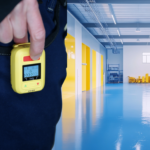
Wrist-worn
Provides immediate access to the alert button with a natural and discreet fit. It is very effective for detecting lack of movement or triggering a quick manual alert. However, it is not suitable for detecting loss of vertical position.
Belt-worn
The belt clip offers maximum stability and optimal posture monitoring. It is particularly suited for fall detection and also works with immobility detection. However, it may be incompatible with certain PPE, such as jackets that make the device difficult to access.
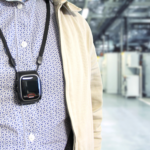
Neck-worn (lanyard)
Often recommended for workers wearing PPE. It is compatible with gloves and does not interfere with hand use, making it a common choice in industrial environments.
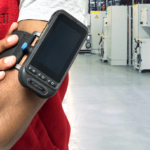
Armband
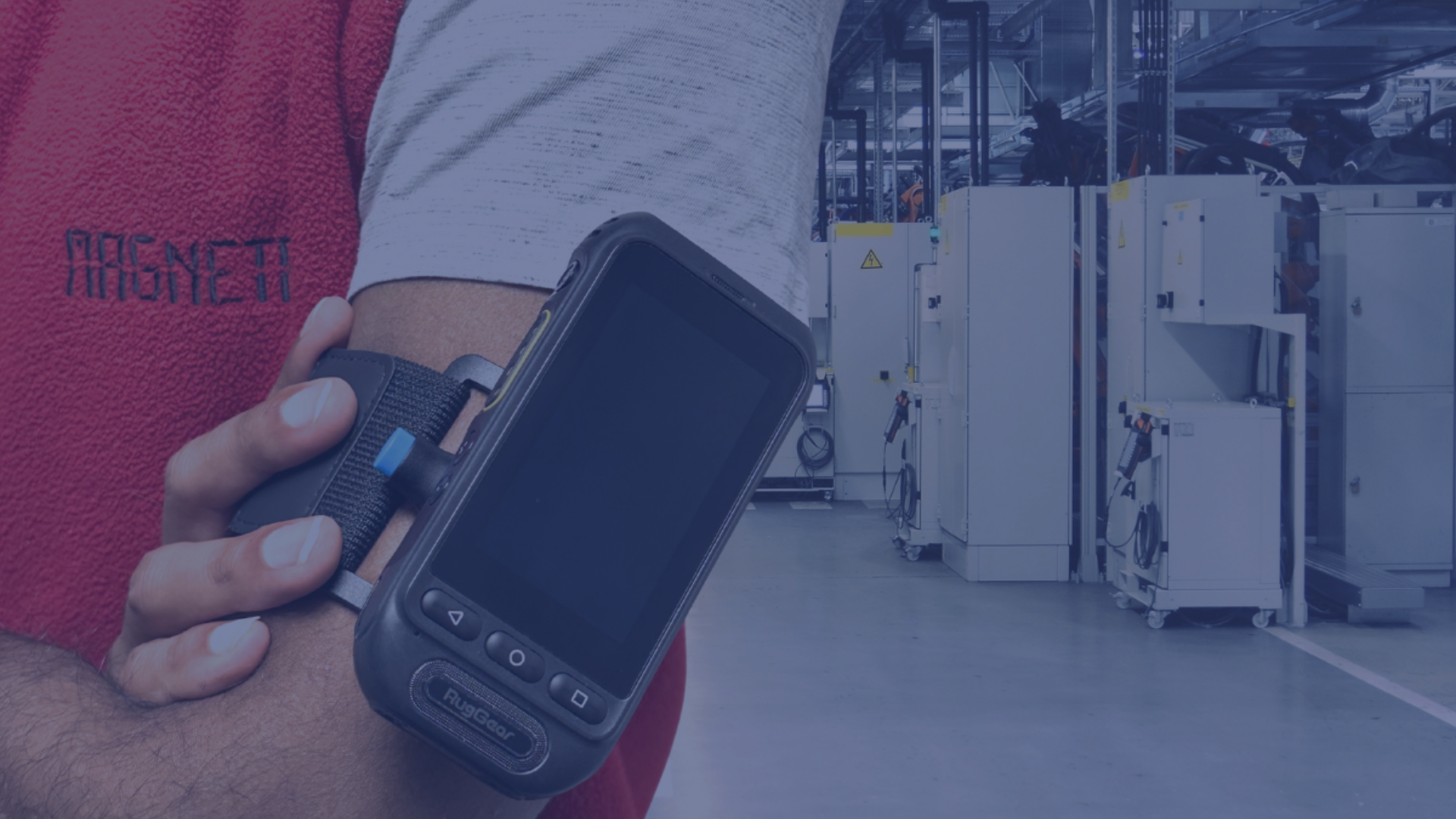
Designed for maximum freedom of movement while ensuring the device stays securely in place. It can be used across many sectors. However, like wrist-worn devices, it is less effective for automatic tilt detection than other options.
Carabiner attachment
Carabiners are ideal for easily integrating the DATI into existing equipment. They can be attached to a jacket or trousers and allow for more discreet wear if needed.
simplify the management of lone worker alarm devices
Sometimes, adoption issues simply stem from equipment management.
Certain features can greatly simplify this:
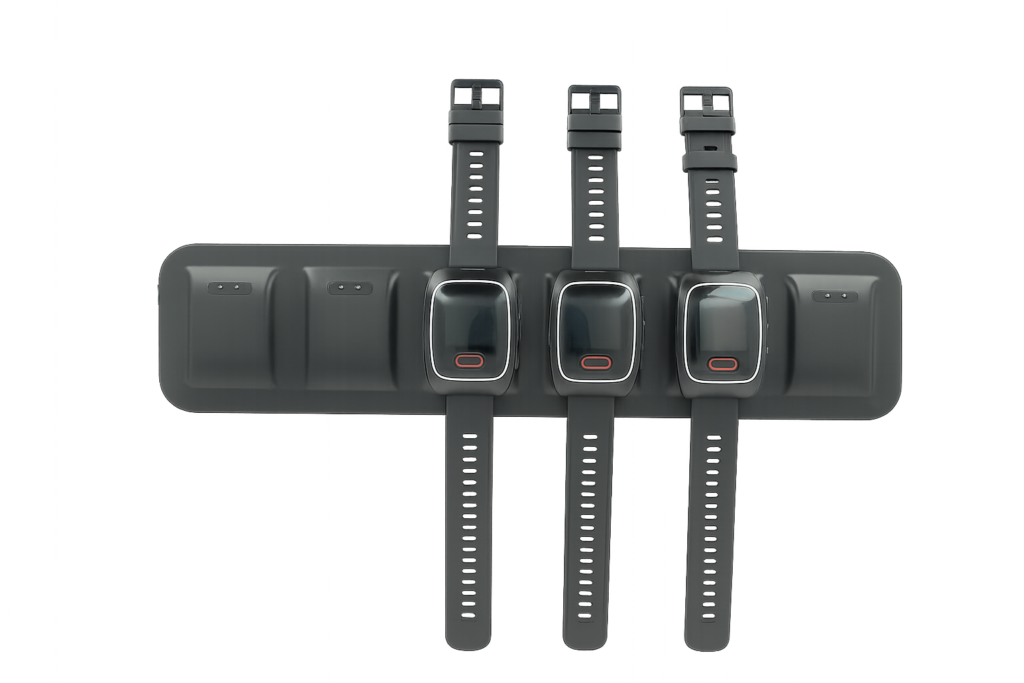
adapting the charging system to the company’s organization (individual charging stations for user autonomy or shared charging stations placed in strategic locations such as control rooms or security offices)
ensuring quick and easy identification of equipment to avoid confusion between employees
To conclude
Ultimately, the effective use of lone worker alarm devices does not depend solely on technology. It mainly relies on ergonomics, job suitability, and ease of management.
To maximize adoption among lone workers, three elements are essential:
choosing a device that meets real needs
offering a comfortable and practical wearing method
implementing simple and clear equipment management
When properly integrated into daily operations, lone worker alert devices become much more than a regulatory requirement: they become a true tool for protection and peace of mind for lone workers.